
The Gambler’s Fallacy: Chance and Luck Misunderstood
One of the most prevalent myths in the world of casino gambling is the gambler’s fallacy, which suggests that past events influence future outcomes in games of chance. Many players believe that if a particular number has not been drawn in a while, it is “due” to appear. This misconception flies in the face of fundamental probability principles. In games like roulette, each spin of the wheel is independent, meaning the odds remain constant regardless of previous results. By understanding this concept, gamblers can make more informed decisions rather than relying on flawed assumptions about luck and choosing options like casino fast withdrawal features that can enhance their experience.
The gambler’s fallacy can lead players to chase losses or modify their betting strategies based on misguided logic. For instance, someone might increase their bets, believing they are more likely to win after a series of losses. This not only misallocates their gambling budget but can also escalate the emotional rollercoaster that comes with gambling. By recognizing that luck is unpredictable and outcomes are independent, players can better manage their expectations and avoid the pitfalls of emotional gambling.
Moreover, this myth perpetuates a cycle of superstition among gamblers. Many rely on “lucky numbers” or rituals before engaging in games. While personal superstitions can add an element of fun, believing they have any bearing on the outcome can result in misguided decisions and potential losses. A clear understanding of the probabilities involved in gambling enhances the overall experience and promotes a healthier relationship with gambling activities, allowing players to enjoy the thrill without falling victim to misleading beliefs.
The Illusion of Skill in Games of Chance
Another common myth is that skill can significantly alter the outcomes of games primarily based on chance, such as slots or roulette. While games like poker do involve a level of skill where strategy and psychology can influence results, many players mistakenly believe they can control the outcome of purely random games. Slot machines, for instance, operate on Random Number Generators (RNG), making the outcomes purely luck-based. Understanding the mechanics behind these games is crucial for setting realistic expectations and enjoying the experience without frustration.
Some gamblers devote countless hours mastering strategies for games that are fundamentally reliant on luck. They may delve into betting patterns or devise intricate strategies for winning. While this effort might be rewarding in skill-based games, it can be misleading in games where chance reigns supreme. No level of skill can alter the fact that each spin of a slot machine or roll of the dice is a separate event with predetermined odds. This reality can lead to dissatisfaction when players do not achieve the expected results despite their efforts.

By focusing on entertainment rather than monetary gain, players can appreciate the unpredictable nature of gambling and enjoy it as a recreational activity rather than a means of income. This shift in mindset can enrich the casino experience and promote responsible engagement with gambling activities. Instead of chasing elusive victories based on skill, players can embrace the thrill of chance, leading to a more enjoyable and less stressful gaming atmosphere.
The Myths of High Rollers and Guaranteed Wins
Many believe that high rollers have some special advantage when it comes to winning at casinos, leading to the myth that spending more equates to winning more. This misconception is fueled by the fact that casinos often offer lavish perks to high-stakes players, such as complimentary rooms, meals, and entertainment. However, the truth is that the odds remain unchanged regardless of the amount wagered. High rollers may experience more significant losses, which often go unnoticed in the narrative of glamorous gambling.
This myth can create an impression that one can ‘buy’ their way to better odds or outcomes. New players might feel pressured to gamble large sums, thinking that this is what guarantees success or recognition in the casino environment. The reality is that while high-stakes gambling can be exciting, it does not alter the inherent probabilities of the games being played. Each bet, regardless of size, faces the same odds against the house, and understanding this can lead to healthier gambling practices.
Moreover, the allure of high-stakes games can lead individuals into financial peril, driven by the false belief that significant wins are just around the corner. This perception can lead to reckless behavior and a disregard for personal limits. Understanding that higher stakes do not influence the fundamental nature of gambling encourages more responsible gaming practices and helps individuals establish healthier boundaries in their gambling endeavors, allowing them to enjoy the experience without the stress of unrealistic expectations.
The “Hot” and “Cold” Table Myths
Casino enthusiasts often propagate the myth of “hot” and “cold” tables, suggesting that players can capitalize on trends by choosing tables or machines based on recent events. For instance, a player may assume that a particular blackjack table is “hot” because a series of wins has occurred recently. Conversely, they might avoid a table perceived as “cold,” fearing they will encounter bad luck. This belief is rooted in a misunderstanding of randomness and probability, leading many to make irrational decisions in their gambling choices.
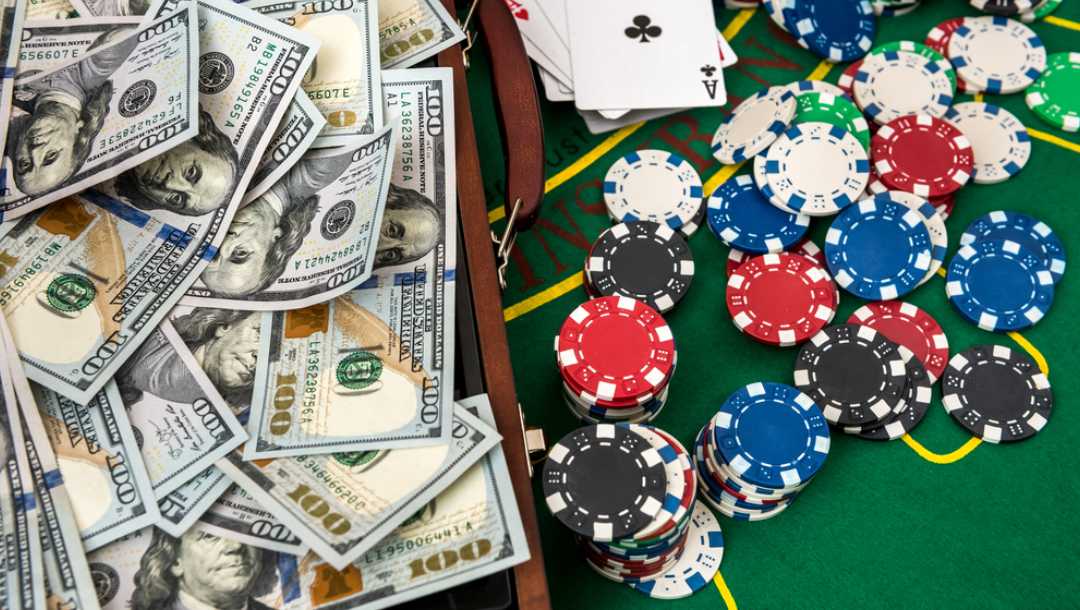
In reality, the outcome of each game is independent of previous outcomes. This means that a table that has seen several favorable results does not guarantee future wins, and vice versa. Many players fall into the trap of losing money by switching tables or machines based on these trends, often overlooking the fact that each game should be treated as an isolated event. Knowledge of this can refine betting strategies and foster a more rational approach to gambling, enabling players to enjoy their time without undue pressure from imagined trends.
Additionally, the belief in table trends can amplify the emotional highs and lows of gambling. The psychological impact of chasing a “hot” table can lead players to increase bets or play longer than intended. By recognizing that each spin or deal is a separate occurrence, players can mitigate these emotional swings, allowing for a more enjoyable and responsible gambling experience. Awareness and understanding of these myths can significantly enhance a player’s approach to casino games, transforming the experience into a more positive and controlled activity.
Understanding Responsible Gaming Practices
For those interested in enjoying casino gambling, understanding responsible gaming practices is vital. Casinos often promote responsible gambling messages, highlighting the significance of setting limits and being aware of one’s betting habits. A key aspect of responsible gaming is acknowledging the myths that can lead to harmful gambling behavior. By educating oneself about the realities of odds and outcomes, players can cultivate a healthier relationship with gaming, ensuring that their experiences remain enjoyable and within their control.
Being informed about the house edge, which is the statistical advantage that a casino holds in any game, is crucial. This knowledge enables players to make informed decisions about where and how much to play, helping them avoid the traps set by misconceptions. Additionally, recognizing the potential risks of gambling addiction allows players to set personal boundaries and seek help if needed. Resources and support groups are readily available for those who may struggle with gambling-related issues, providing a safety net for responsible gaming.
In conclusion, understanding the myths surrounding casino gambling can significantly enhance the overall experience of players. Awareness of the actual odds, the nature of chance, and responsible gaming practices encourages a more enjoyable gambling environment. By focusing on entertainment rather than monetary gain and empowering themselves with knowledge, players can savor their time at casinos while minimizing the risks associated with gambling. This conscious approach to gaming fosters a balanced and fulfilling relationship with the casino experience, ensuring that it remains a source of enjoyment rather than a source of stress.